
How to Choose the Right Bathroom Trailer for Sale
February 24, 2026
Why Bunkhouse Trailers Are a Smart Housing Solution for Remote Job Sites
March 9, 2026
Planning an unforgettable outdoor experience—or running a busy jobsite—hinges on how well you handle the basics. Near the top of that list? Restrooms. Mobile restroom trailers offer a clean, comfortable, and efficient solution that keeps people happy and schedules on track. Whether you’re coordinating a gala in a meadow or managing a months-long infrastructure project, the right trailer can turn a logistical headache into a smooth, reliable system.
In this guide, you’ll learn how mobile restroom trailers work, when they’re the right choice, how to size them, and what features actually matter. Along the way, you’ll get practical tips to avoid overruns, long lines, and mid-event surprises.
What Exactly Is a Mobile Restroom Trailer?
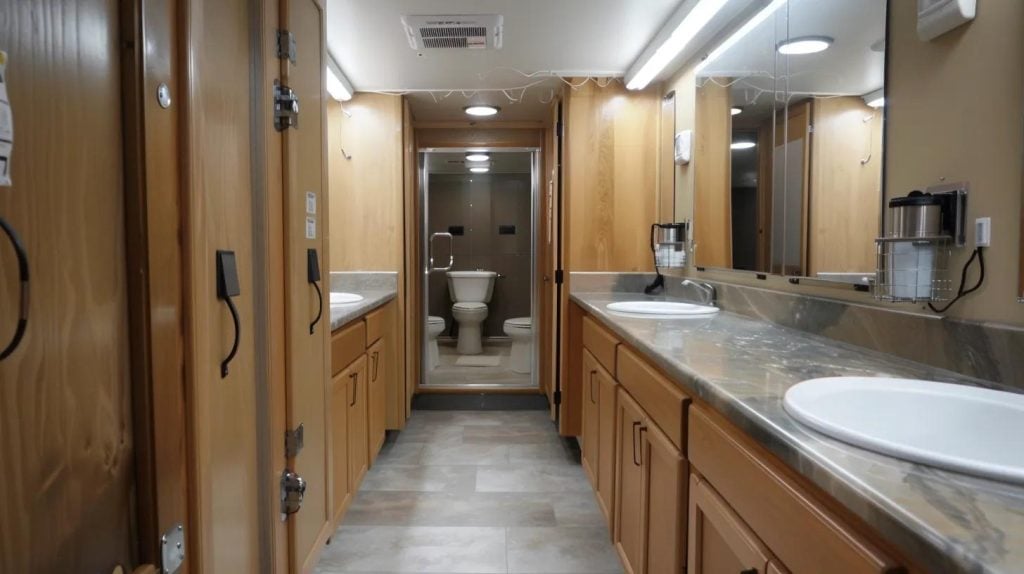
A mobile restroom trailer is a self-contained facility mounted on a towable chassis. Inside, you’ll find private stalls, running water, flushing toilets, and handwashing—often alongside vanity mirrors, lighting, and climate control. Unlike basic portable units, these trailers feel more like indoor restrooms, with ventilation, durable finishes, and thoughtful layouts that move guests through quickly.
Because they’re built on trailers, they can be positioned almost anywhere with suitable access. Many models offer separate entrances for men and women, ADA-friendly options, and configurable rooms to match crowd size and site flow.

When Do Mobile Restroom Trailers Make the Most Sense?
Mobile restroom trailers shine when comfort, hygiene, and throughput are priorities. They’re ideal for:
-
Weddings and social events where presentation and guest comfort matter.
-
Festivals and fundraisers that need multiple stations and quick turnover.
-
Corporate activations that require a polished, brand-safe atmosphere.
-
Construction sites where crews benefit from reliable facilities during long shifts.
-
Remote locations lack permanent infrastructure.
If your event promises special attire, extended durations, food service, VIP areas, or mixed-age crowds, upgrading to mobile restroom trailers is an easy win. They support better handwashing, reduce wait times, and keep the environment tidy.
Key Benefits at a Glance
Here’s a quick side-by-side of what you get with mobile restroom trailers.
| Benefit | Why It Matters | What To Look For |
|---|---|---|
| Comfort & Privacy | Guests feel at ease and stay longer. | Real doors, solid walls, quiet fans, vanity mirrors. |
| Hygiene | Cleaner spaces reduce complaints and risks. | Hands-free faucets, soap dispensers, towel systems. |
| Speed & Flow | Shorter lines improve the experience. | Multiple stalls, optimized layout, separate entrances. |
| Climate Control | Works in heat or cold; protects interiors. | A/C and heat, insulated walls, floor registers. |
| Professional Look | Matches upscale events and brand standards. | Neutral finishes, good lighting, tidy exterior. |
| Accessibility | Ensures everyone can attend comfortably. | ADA-friendly units, ramps, wide doors. |
| Scalability | Right-size for small or large crowds. | 2–10+ station models; modular planning. |
| Serviceability | Easier upkeep during long runs. | Accessible tanks, durable materials, clear service points. |
Capacity Planning: How Many Stations Do You Need?
Sizing is the difference between effortless flow and lines that feel endless. Use these simple starting points, then adjust for food and drink, event length, and site layout:
-
Short events (2–4 hours), light refreshments: ~1 station per 75–100 guests.
-
Half-day events with alcohol: ~1 station per 50–70 guests.
-
Full-day festivals or jobsites: Plan for peak surges—better to have a small buffer than risk backups.
-
Crewed sites: Factor in shift overlaps and breaks; if two crews share a window, you’ll want extra capacity during that hour.
Pro tip: place units where people naturally exit activities—near the edge of a dining area or along a main path—so traffic stays distributed.
Layouts That Keep People Moving
A smart layout does more than look good—it prevents bottlenecks. Consider:
-
Dedicated entrances/exits to avoid cross-traffic.
-
Clear signage that’s visible from a distance.
-
Balanced stall counts across sides to reduce uneven lines.
-
Vanity zones are separated from stalls so handwashing doesn’t stall throughput.
-
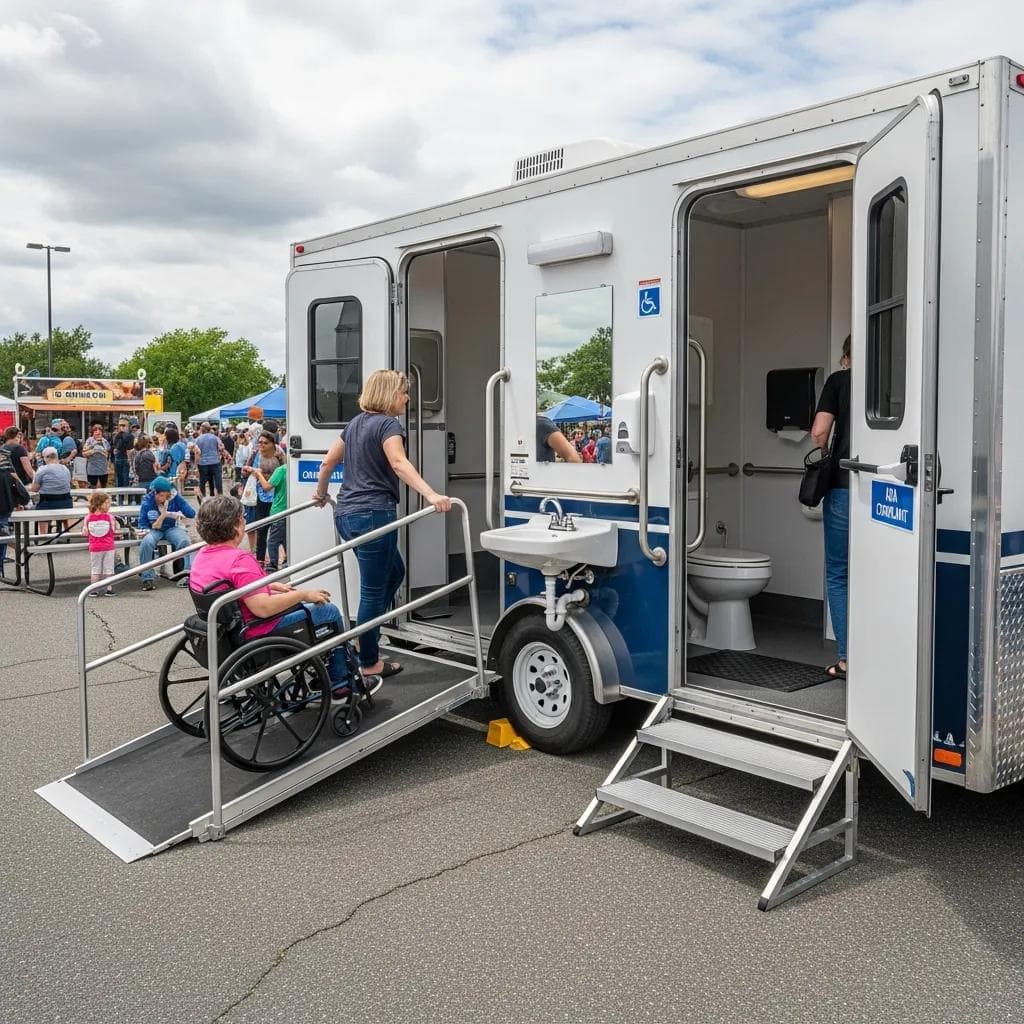
ADA access with ramps and landing spaces that make turning simple.
Small touches like non-slip flooring, coat hooks, and soft lighting create a calm, quick experience.
Hygiene Tech That Actually Helps
Focus on features that reduce touchpoints and simplify upkeep:
-
Hands-free faucets and flush systems lower cross-contact.
-
Auto-dispense soap with paper towel dispensers to keep sinks tidy.
-
High-CFM ventilation to refresh air quickly.
-
Easy-wipe surfaces and durable partitions for faster resets during service windows.
-
Onboard water with backups or quick-connects if you’ll be on site for days.
These upgrades translate into shorter cleaning cycles and a consistently pleasant interior.
Power, Water, and Site Logistics
Every venue is different, so plan for a few basics:
-
Power: Most trailers can run from a dedicated circuit or generator. Check amperage and have GFCI protection where required.
-
Water: Options include onboard freshwater tanks or a potable hookup. Know your plan before arrival.
-
Waste: Verify pumping access for long events or multi-day jobs.
-
Placement: Keep a stable, level spot with safe towing access, plus clearance for doors and ramps.
-
Lighting & signage: Illuminate paths at dusk to guide guests safely.
A quick pre-event walk-through ensures the trailer is accessible but not in high-traffic bottlenecks.
Weather-Proofing Your Plan
Weather can change how restrooms perform:
-
Heat: Prioritize A/C, venting, and shaded placement; stock extra paper products.
-
Cold: Confirm heating, insulated lines, and slip-resistant entry mats.
-
Rain: Add canopy coverage at doors, plus grit mats to minimize tracked-in water.
-
Wind: Secure signage and consider windbreaks to protect ramps and queues.
These small steps keep the interior clean no matter what the forecast brings.
Use Cases: From Black-Tie to Back-Road
Mobile restroom trailers are built to flex. A few scenarios where they excel:
-
Private celebrations: Weddings, milestone birthdays, and reunions where presentation and accessibility matter.
-
Community events: Fairs, charity runs, markets—anywhere steady foot traffic calls for fast turnover.
-
Corporate field ops: Trainings, product demos, or pop-ups that need a polished experience.
-
Long-term sites: Construction and remote work locations that require reliable, clean facilities for crews.
In each case, the goal is the same: keep people comfortable, keep lines moving, and make the environment feel cared for.
Rent vs. Buy: Which Path Fits?
Think in terms of frequency, duration, and control:
-
Rent if you host seasonal events, have variable crowd sizes, or need flexibility. Rental partners handle delivery, setup, and service, so you have less on your plate.
-
Buy if you run repeated programs, maintain multiple job sites, or want brand consistency and long-term cost control. Ownership lets you standardize layouts and features across deployments.
Not sure? Start with a rental for your next large event. Track usage patterns, cleaning cycles, and feedback to inform a purchase later.
Budgeting: What Drives Cost
Costs vary by trailer size, amenities, duration, and logistics. Plan for:
-
Unit size and station count (2–10+ stations).
-
Upgrades like ADA suites, premium finishes, or additional climate control.
-
Duration (single-day vs. multi-week).
-
Distance and access (delivery, leveling, generator requirements).
-
Service schedule (mid-event cleaning, tank pumping).
Allocate a small contingency for extensions or higher-than-expected attendance.
Setup Checklist: Smooth from Arrival to First Flush
Use this quick checklist to keep setup tight and tidy:
-
Confirm access route and turning radius for delivery.
-
Verify level ground; deploy wheel chocks and stabilizers.
-
Connect the power (or position generator) and test outlets.
-
Set water plan (onboard tanks topped, or connect potable line).
-
Stock supplies: paper, soap, trash liners, and cleaning wipes.
-
Place signage and set simple wayfinding.
-
Walk the interior: check lights, A/C or heat, fans, and door latches.
-
Run a service plan: assign checks at regular intervals.
-
Open to guests and monitor the first rush to adjust flow.
-
Document notes to improve the next event or site.
Common Mistakes to Avoid
-
Under-sizing: Lines kill satisfaction. Plan for peaks, not averages.
-
Ignoring ADA: Accessibility isn’t optional; it’s essential for comfort and inclusion.
-
Forgetting power/water details: Clarify amperage and source before arrival.
-
Poor placement: Don’t hide units so well that guests can’t find them—or block a main route.
-
Skipping a service schedule: Even the best trailer needs quick refreshes during a long day.
Why Choose Montondo Trailer
When the stakes are high, reliability and fit matter. Montondo Trailer offers a wide selection of mobile restroom trailers with features that balance comfort, durability, and style—so you can match the unit to your crowd size, site, and budget. Explore current models and layouts here: restroom trailers. You’ll find options built for quick setup, easy service, and a polished guest experience.
If you’re mapping a complex site plan, the team can help you right-size the station count, route power and water, and align delivery timing with your schedule.
Feature Deep-Dive: What’s Worth the Upgrade
-
Climate control: Stable temps protect interiors and keep guests comfortable.
-
Hands-free hardware: Faster flow, cleaner surfaces.
-
LED lighting: Bright, efficient, and flattering in photos.
-
Durable finishes: Resist scuffs and clean fast between rushes.
-
Quiet ventilation: Refresh air without adding noise to the venue’s soundscape.
-
ADA suites: Ramps and clearances that welcome everyone.
-
Winterization options: Heated tanks and protected lines for cold-weather deployments.
Pick the upgrades that match your season, audience, and run time.
Service Strategy: Keeping It Fresh All Day
Even a well-equipped trailer benefits from a simple service cadence:
-
Light touch every hour during peak: quick wipe, restock, trash check.
-
Deeper reset mid-day or between waves: mirrors, floors, counters, and odor control.
-
End-of-day: tank levels, surfaces, and a final supply count to prep for tomorrow.
Create a feedback loop: if a line forms or supplies dip, adjust staffing or routing rather than waiting for complaints.
Final Takeaway
Mobile restroom trailers are a smart upgrade for events and worksites that value comfort, speed, and a clean look. With the right sizing, layout, and features, they keep people happy, moving, and focused on the reason they came. From elegant ceremonies to rugged field operations, the right unit turns restroom logistics into a quiet success story.
Ready to plan your setup with Montondo Trailer? Browse mobile restroom trailers tailored to your needs here: restroom trailers.
FAQs
1) What’s the difference between a mobile restroom trailer and basic portable units?
A mobile restroom trailer provides running water, flushing toilets, multiple private stalls, climate control, and a polished interior. It feels closer to an indoor restroom, which helps with guest comfort and faster flow.
2) How far in advance should I reserve a trailer for a busy date?
Peak seasons fill quickly. Aim for 4–8 weeks ahead for weekends and large events, and earlier if you need ADA or higher station counts.
3) Do I need onsite water and power?
Not always. Many models operate from onboard freshwater tanks and can run via generator. For multi-day setups or large crowds, a potable water hookup and dedicated power are recommended.
4) How do I estimate the right size?
Start with guest count, event duration, and whether you’ll serve alcohol. Use the planning ratios above, then add a buffer for peak surges—especially right before ceremonies, during intermissions, or at shift changes.
5) Can trailers handle hot or cold weather?
Yes. Look for A/C and heat, insulated walls, and the right placement. Add mats, canopy coverage in rain, and wind protection for ramps to maintain a clean, safe entry.
Jack Montondo founded Montondo Trailer in 2014. Jack has worked hard to make his business a success, paving the way to making it a multi-million dollar. Montondo Trailers is a premier design and manufacturing leader in Custom Trailers. Here at Montondo Trailer, we have become an industry-leading manufacturer of Custom Trailers. Through the efforts of our expert team of engineers, designers, and sales personnel, we are here to ensure that our clients come out with a trailer that they could only dream of. We are constantly innovating and developing new ways to ensure our trailers are the best on the market. We firmly believe our dedication to quality sets us apart from our competition.