Field-Ready Buying Guide: Power, Water, and Capacity for Disaster Relief Trailers
January 23, 2026
Essential Guide to Portable Shower Trailers
February 24, 2026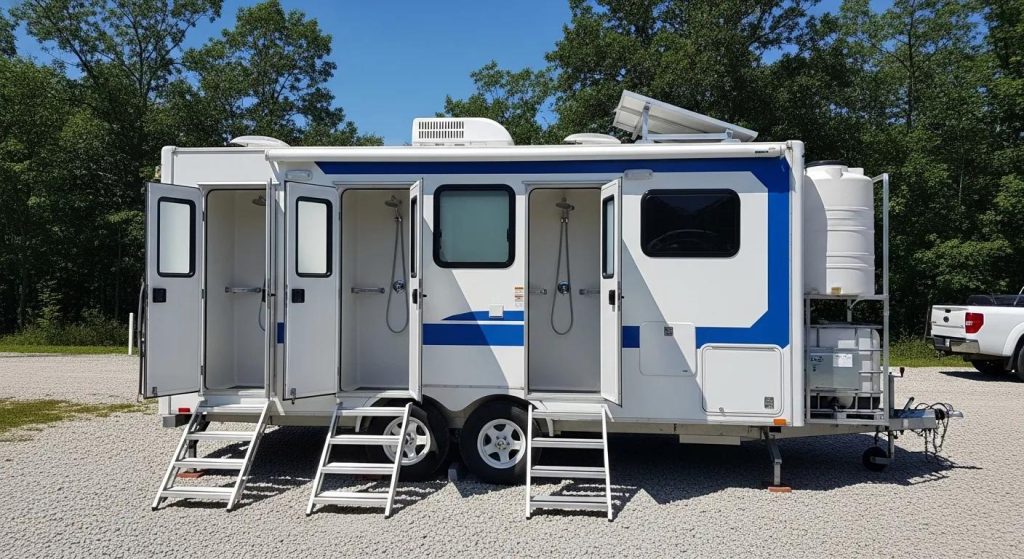
If you’re asking how much does it cost to rent a portable bathroom, you’re really asking about three levers: size (the unit you choose), season (market demand and weather), and service (how often it’s cleaned, pumped, and stocked). Below is a skimmable breakdown of each lever, the extras that affect the final invoice, and a quick planning framework you can use for events, job sites, or emergency deployments.
When you’re ready for deeper context on pricing dynamics—especially when showers are part of the plan—this related guide on portable shower rental pricing is a helpful companion.
The Core Formula: Size × Season × Service
Most rental quotes start with a base rate per day or week for the unit, then add service frequency, delivery/pickup, and any accessories. The same unit can price very differently in peak season with frequent service versus off-season with minimal service. Keep this mental model handy:
Total Cost ≈ Base Unit Rate + (Service Visits × Service Rate) + Delivery/Pickup + Add-Ons + Taxes/Permits
Unit Types & How They Influence Price
Not all “portable bathrooms” are alike. Pricing is based on capacity, finish level, and utilities.
- Single portable toilet (no sink): Lowest cost, minimal footprint; best for short, low-amenity needs.
- Portable toilet with sink/handwash station: Slightly higher base rate; better hygiene for food events and longer stays.
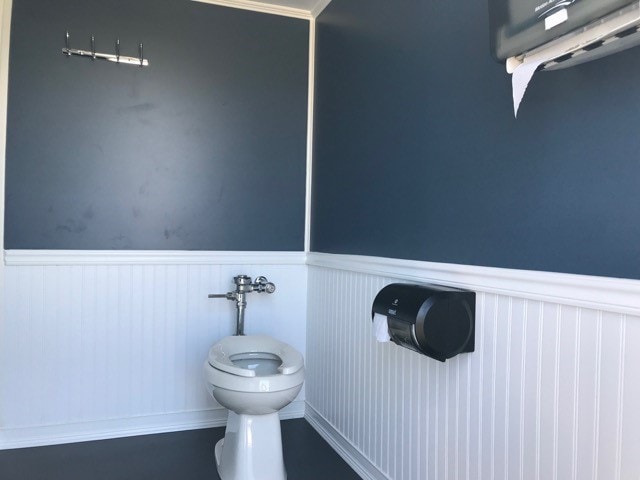
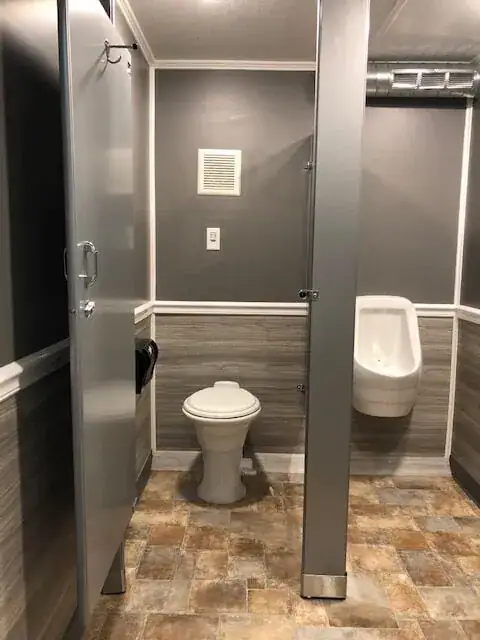
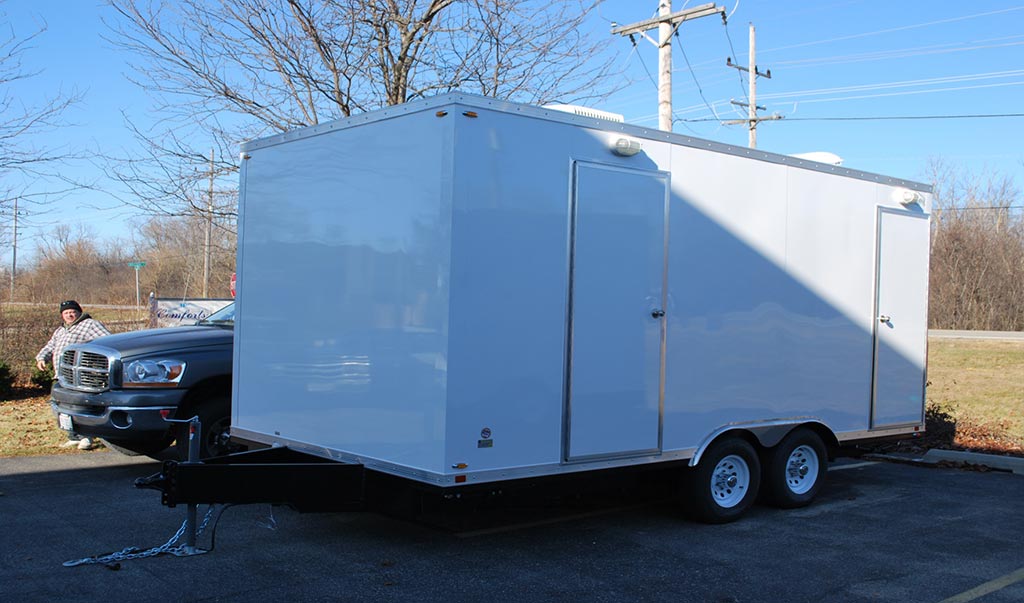
- Restroom trailers (1–2 station): Real sinks, running water, lighting, climate control; higher base rate, premium experience.
- Larger restroom trailers (3+ stations): Best for crowd throughput; higher rate, fewer lines, and an improved guest experience.
- ADA-focused or accessibility-friendly options: May carry a premium due to size and specialized design.
How to choose: Match the unit to the expected headcount and the guest experience you promise. For weddings or VIP tents, restroom trailers dramatically reduce complaints and boost reviews.
Seasonality: Why the Same Unit Costs More in Summer
Demand spikes during wedding and festival seasons, holiday markets, and large construction cycles. In cold climates, winterization needs and bad-weather logistics can also nudge pricing. Booking earlier helps secure inventory and avoid surge premiums, especially if you need multiple units or a trailer with upscale finishes.
Service Frequency: Your Biggest Ongoing Driver
Service includes pump-outs, cleaning, restocking, and light maintenance. The more people you host—and the longer the event—the more frequently you’ll need service.
- Short events (single-day): Typically 0–1 service visit, depending on crowd size and beverage volume.
- Multi-day events: Daily or twice-daily service keeps units fresh and guest-friendly.
- Job sites: A steady cadence (e.g., weekly, then increasing with crew size) helps maintain morale and reduce complaints.
Tip: If your event has peak surges (intermission, halftime), consider adding more stations rather than increasing service frequency. Adding stations reduces lines and keeps interiors cleaner.
Delivery, Placement & Pickup: Logistics That Matter
Quotes typically include delivery/pickup within a set radius. Charges rise with distance, difficult terrain, after-hours arrivals, or restricted access.
- Access path: Confirm gate width, turning radius, overhead clearance, and stable ground.
- Power & water (trailers): If you’re renting a restroom trailer, plan shore power or specify a generator.
- Placement: Level ground shortens setup time and reduces interior bounce.
Add-Ons That Affect the Final Number
- Handwash stations/hand sanitizer towers
- Lighting kits for night operations (if not included)
- Privacy fencing or queue stanchions
- Generator (for restroom trailers) and fuel
- Cold-weather kits: Insulated wraps, heat-traced lines, or tank heaters for winter events
- Attendant services for high-touch events (weddings, corporate)
- Damage waiver or insurance if required
These add-ons can cost less than extra service visits if they reduce mess and speed turnovers.
Quick Planning Benchmarks (Non-Binding, Vendor-Neutral)
Every market is different, but these ballpark signals help you frame a budget before you request quotes:
- Single portable toilet (no sink): Most affordable option; add handwash if food is served.
- Upgraded portable toilet (with sink): Slightly higher than basic units; better hygiene and guest perception.
- 1–2 station restroom trailer: Premium over standard toilets; guests notice the difference immediately.
- 3+ station restroom trailer: Higher base rate but optimal for larger crowds and shorter lines.
Because demand, distance, and amenities swing the numbers widely, get at least two or three quotes for similar specs. Then evaluate the total cost of service (not just base rate): service cadence, what’s included restocking-wise, and after-hours support.
For events that include showers, cross-check assumptions against Montondo’s guide to portable shower rental prices to ensure your water and power plans are realistic.
Sizing for Events: A Simple Headcount Method
A practical way to avoid under-renting:
- Estimate total attendance and average dwell time.
- Identify peak periods (e.g., halftime) that cause lines.
- Select a unit mix that protects the guest experience during those surges.
- Set a service cadence that keeps supplies and cleanliness on track.
Pro tip: It’s often cheaper to add an extra unit than to over-service a single unit that’s battling lines.
Sizing for Job Sites: Consistency Wins
Construction and long-term projects benefit from predictable schedules:
- Start with a weekly pump-out for small crews; increase with headcount.
- Place units where crews actually congregate (reduce time lost to long walks).
- For heated or cooled trailers, ensure appropriate power and protected placement from heavy equipment.
What Can Push Costs Higher (and How to Control Them)
- Late booking in peak season: Reserve earlier to protect both price and availability.
- Insufficient units: Lines create confusion, increasing service needs and complaints.
- No power plan for trailers: Add a properly sized inverter generator if shore power isn’t guaranteed.
- Long distances / difficult sites: Share accurate site details early to avoid surprise surcharges.
- Cold or extreme weather: Budget for winterization accessories and more frequent checks.
Build a Smarter Quote Request (Template)
When requesting quotes, include the same details to get apples-to-apples pricing:
- Dates & hours (including setup/strike windows)
- Location & access notes (gates, slopes, surface type)
- Expected headcount/crew size and peak periods
- Unit type & count (basic units vs. restroom trailers; accessibility needs)
- Service cadence (e.g., once daily, twice on Saturday)
- Power & water plan if renting trailers
- Add-ons (handwash stations, attendants, lighting)
- After-hours support expectations
Example Cost Scenarios (Conceptual)
- Backyard wedding (100 guests, 6 hours): Two upgraded portable toilets plus one handwash station, one service before the event, and basic décor touches.
- One-week festival (500 daily, peak evenings): A mix of standard units with handwash stations near food, plus a multi-station restroom trailer for VIP/artist areas; daily service, extra visit during peak nights.
- Job site (20 crew, 3 months): Standard units with weekly service; upgrade to a restroom trailer if client standards require sinks, lighting, and climate control.
These aren’t quotes—just frameworks to help you shape your ask.
Hidden Fees to Clarify Upfront
- Fuel surcharges (for generators or long delivery routes)
- After-hours service rates
- Holiday or weekend premiums
- Cleaning/restocking inclusions vs. billable extras
- Permit or placement fees, if required by the venue or city
Clear expectations here prevent invoice surprises.
How to Save Without Downgrading the Experience
- Lock in dates early for better rates and inventory.
- Right-size the mix: Add an extra unit to reduce line cutting and cleaning frequency.
- Bundle services (multiple units or multi-week rentals) for price efficiency.
- Place units smartly to reduce misuse and keep interiors cleaner.
- Match power to load so restroom trailers run smoothly (fewer emergency calls).
For events that include showers—or if you’re debating whether to add them—scan Montondo’s overview of portable shower rental prices for water, power, and service implications.
Final Thoughts
The cost to rent a portable bathroom depends on the unit selected, seasonal demand, and service cadence—with delivery logistics and add-ons rounding out the total. Decide the experience you want for guests or crews, then specify the unit mix and service plan that keeps lines short and interiors fresh. With a clear brief, quotes will line up neatly, and you’ll protect both budget and satisfaction.
FAQs
1) How many units do I need for a 100-guest event?
Two upgraded portable toilets plus a handwash station are a common starting point. If there’s alcohol or a tight intermission, consider a small restroom trailer or a third unit.
2) Are restroom trailers worth the higher price?
Yes for weddings, corporate events, and VIP areas. Trailers add sinks, lighting, and climate control—often reducing complaints and improving reviews.
3) How often should I schedule service?
For single-day events, a single pre-event or mid-event check may be sufficient. Multi-day events and job sites benefit from daily or weekly rhythms based on headcount.
4) Do I need a generator for a restroom trailer?
If shore power isn’t guaranteed, budget for a quiet inverter generator sized for HVAC and pumps. Confirm plug type and cord length in advance.
5) What’s the best way to get an accurate quote?
Share dates, location/access notes, headcount, unit mix, service cadence, and any add-ons. Ask for inclusions in writing to avoid surprise fees.
Jack Montondo founded Montondo Trailer in 2014. Jack has worked hard to make his business a success, paving the way to making it a multi-million dollar. Montondo Trailers is a premier design and manufacturing leader in Custom Trailers. Here at Montondo Trailer, we have become an industry-leading manufacturer of Custom Trailers. Through the efforts of our expert team of engineers, designers, and sales personnel, we are here to ensure that our clients come out with a trailer that they could only dream of. We are constantly innovating and developing new ways to ensure our trailers are the best on the market. We firmly believe our dedication to quality sets us apart from our competition.