Buyer Beware: Mistakes to Skip When Shopping Portable Bathroom Trailers for Sale
November 11, 2025
Water In, Waste Out: Practical Planning for a Bathroom Trailer for Sale
November 25, 2025
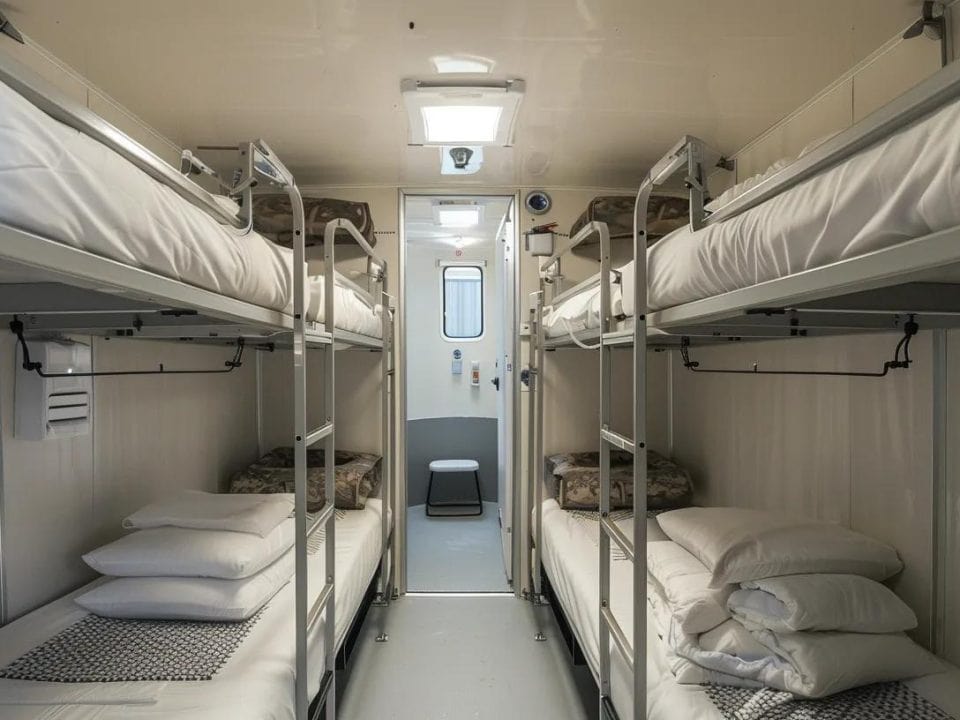
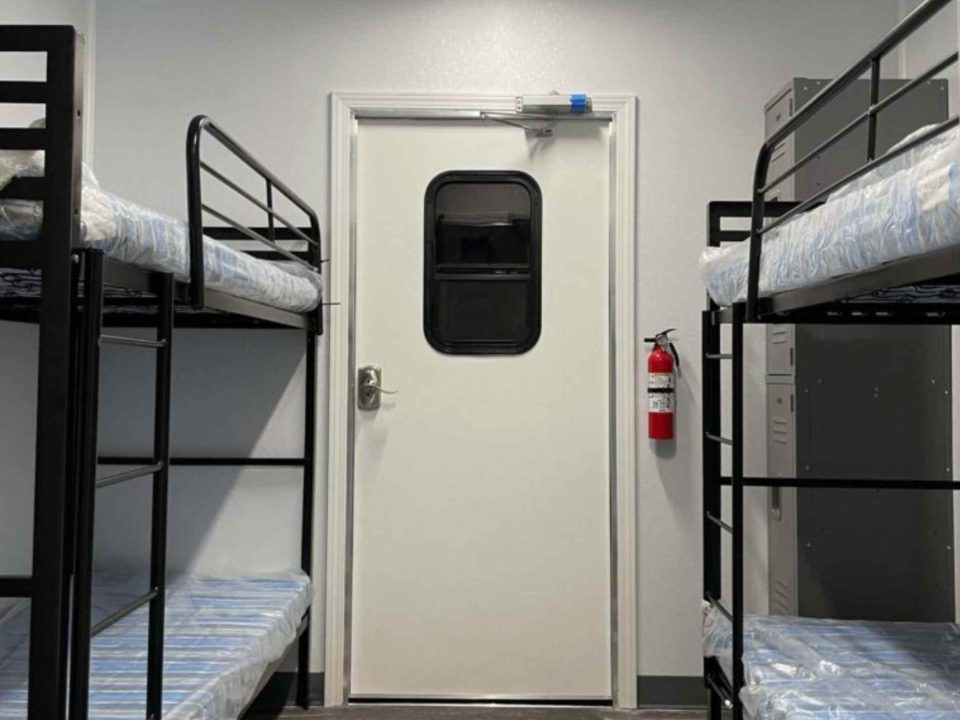
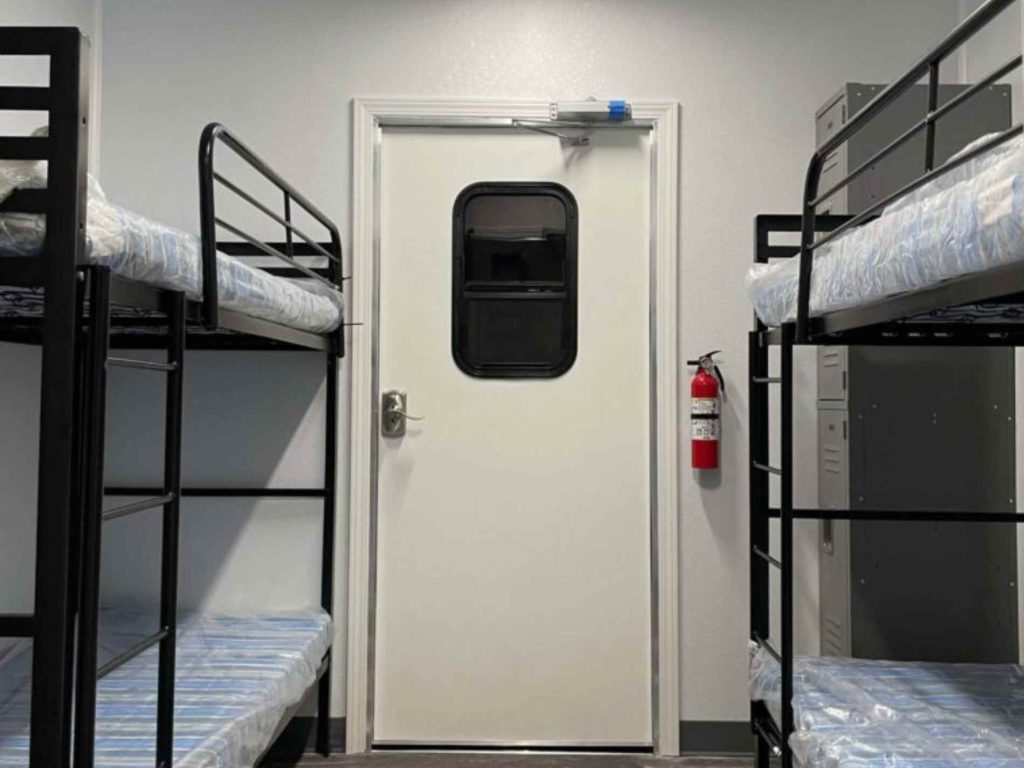
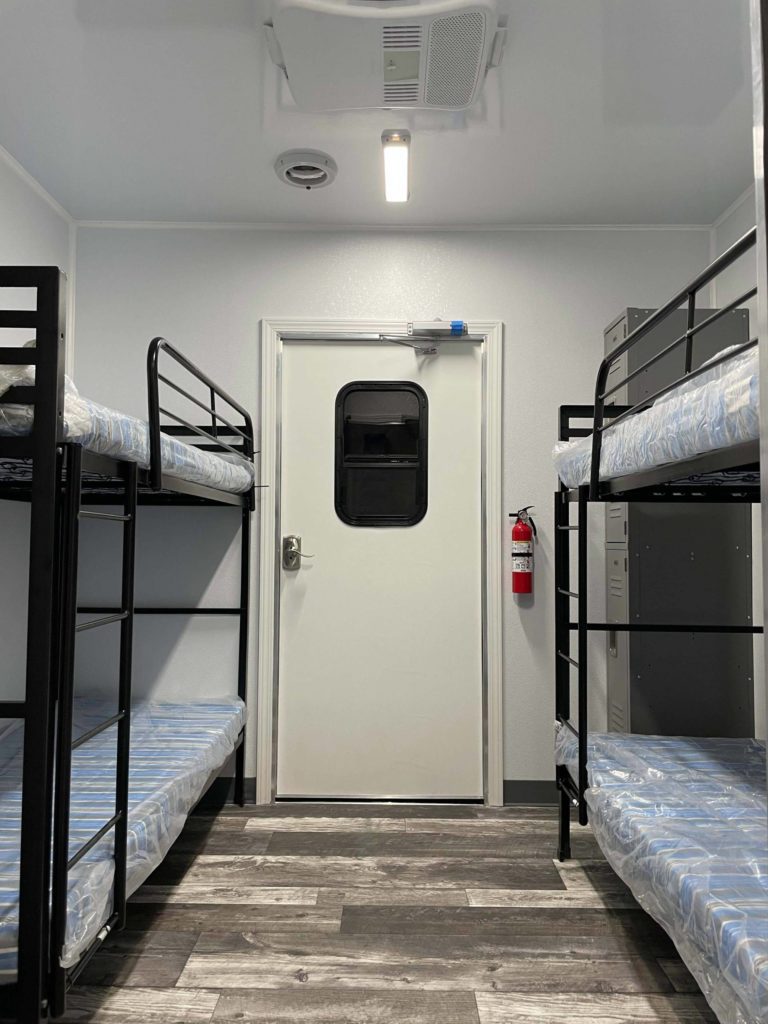
When space is tight and people are tired, storage makes or breaks a deployment. The best Mobile Bunkhouse Trailers don’t just squeeze in beds; they turn every cubic inch into calm, quick-access organization. This guide lays out practical, field-tested storage ideas—from under-bunk compartments to mudroom-style zones—so crews can find gear fast, sleep better, and clear the aisles. Keep it handy as you plan layouts and compare options on Montondo Trailer.
Why storage design matters more than you think
Clutter costs time. Lost gear delays departures. Overflowing bags add tripping hazards and stress. Smart storage inside Mobile Bunkhouse Trailers does three things at once:
- Speeds routines: predictable homes for boots, bags, and linens keep mornings smooth and lights-out quick.
- Protects gear: ventilation where it’s needed, soft protection where it’s not.
- Improves safety: clear aisles, secure latches, and no overhead surprises in transit.
Well-planned storage reduces daily micro-friction, which shows up as better morale and less wear on the trailer.
Aisle-first thinking: start with movement
Before adding compartments, map foot traffic. People move most between the door, bunks, and the restroom or exit.
- Keep the aisle width consistent with no sudden pinch points.
- Place high-touch storage (hooks, small shelves) near entries and bunks—not across the aisle.
- Avoid door interference: cabinet doors should not swing into common pathways.
- Use rounded corners or edge guards where hips and shoulders pass closely.
The aisle is the trailer’s “spine.” Protect it, and everything else works better.
The mudroom zone: control dirt at the door
The entry is your first line of defense against mud and moisture.
- Boot trays sized for the crew count, with shallow lips for easy dumping.
- Open cubbies for wet items—no doors to trap damp air.
- A vented kickspace or small fan can keep this corner dry.
- Wall hooks rated for load (packs can be heavy); label them so ownership is obvious.
- Towel bar or mesh sling near the door for quick wipe-downs of steps and floors.
Small detail, big payoff: run a textured runner from entry to aisle to capture grit before it hits the bunk area.
Under-bunk storage: the quiet workhorse
Under-bunk volume is prime real estate. Done right, it swallows bulky items without crowding the cabin.
- Full-width drawers on heavy-duty slides for tools or uniforms.
- Gas-strut lift lids for top-access compartments—great for duffels and seasonal gear.
- Vent panels for anything that might get damp (boots, rain gear).
- Removable bins (labeled) so each person gets a dedicated module they can pull out and stow in seconds.
Design tip: combine one deep drawer for bulky items with one shallow drawer for small essentials to avoid rummaging.
Over-bunk shelving: light, shallow, and secure
Overhead space is valuable, but it must be safe. Keep it shallow to prevent head bumps and keep weight low.
- Lip-front shelves (1–1.5 inches) stop items from sliding during transport.
- Bungee or web straps across openings for extra security.
- Soft interiors for sunglasses and small electronics to avoid rattling.
- Use task lighting underneath to make reading pockets and charging trays actually usable.
Limit overhead storage to lightweight items—soft bags, hats, spare linens—not dense tool kits.
Personal lockers vs. open cubbies: choose by mission
Both systems work; the right choice depends on your crew and deployment.
- Personal lockers
- Pros: privacy, security, tidy look.
- Best for: longer stays, mixed crews, personal electronics.
- Watch for: door swing conflicts; choose vented doors to fight odor buildup.
- Open cubbies
- Pros: fast access, minimal hardware, great for wet gear.
- Best for: short rotations, high turnover, uniform-heavy work.
- Watch for visual clutter—use bins and labels to keep things in order.
Many Mobile Bunkhouse Trailers blend both: small, personal, lockable boxes for valuables and open cubbies for daily wear.
Fold-down surfaces: desks, tables, and vanity flips
Multi-use surfaces save space and create “task zones.”
- Fold-down desk panels at the end of bunks for notebooks or laptops.
- Flip-up vanity shelves with a small mirror for quick grooming without blocking the aisle.
- Hinged wall tables near the entry for staging gear, then tuck away at lights-out.
- Ensure positive latches to prevent panels from deploying during transport.
Add a cable pass-through and a nearby charging rail (see below) so surfaces double as charging hubs.
Charging strategy that prevents cable chaos
Power is storage’s best friend when it’s organized.
- Central charging rails with multiple low-profile outlets/USB-C, placed where people won’t trip on cords.
- Numbered ports linked to bunk numbers to reduce mix-ups.
- Cord cubbies or small trays so adapters have a home.
- A device shelf with a lip and soft liner so phones don’t buzz off onto the floor.
When comparing layouts, see how Mobile Bunkhouse Trailers routes power to personal spaces. Good layouts place outlets where bags and surfaces overlap, not in the walking path.
Soft storage solutions: fast, flexible, forgiving
Soft goods conform to odd shapes and soak up bumps—ideal in tight quarters.
- Hanging fabric organizers inside lockers or at bunk ends for socks and small clothing.
- Collapsible crates under bunks for laundry; assign colors to people to eliminate “whose is whose?”
- Mesh sleeves for cabinet doors to hold maps, logs, or slim accessories.
- Elastic strap grids on walls (like MOLLE-inspired boards) for headlamps, gloves, or radios.
Soft systems are quiet, light, and easier to replace in the field.
Hidden verticals: make walls work harder
Walls can carry far more than hooks.
- Shallow recessed niches beside bunks for water bottles and notebooks.
- Knife-latch panels that open to reveal cleaning-supply stores or first-aid kits.
- Magnetic strips for metal tools (covered with a rubber face to prevent rattle).
- Pegboard sections with locking pegs so configurations can evolve with the mission.
Keep anything heavy below shoulder height; reserve overhead walls for lighter items.
Laundry logistics: a flow that actually sticks
Laundry builds quickly. Even without onboard washers, a thoughtful plan keeps clothes from taking over.
- Two-bin rule: one bin for dirty, one for clean—both labeled and sized for your crew.
- Ventilated hampers to prevent odor.
- Laundry staging shelf for folding, so clean items don’t migrate to bunks.
- If a trailer includes washers/dryers, use shelf dividers and hanging rods to keep loads moving.
Place laundry near an entry or utility corner, not in the sleep zone.
Bedding and linens: compact, clean, and quick to swap
Linens are bulky, so give them a dedicated plan.
- Vacuum-bag storage for spare quilts and off-season gear under the lowest bunks.
- Shelf dividers labeled by size (twin sheets, pillowcases) to speed changeovers.
- Rolling carts for housekeeping: towels, cleansers, liners, and spare trash bags all in one place.
A clear linen system is the difference between 10-minute resets and half-hour bottlenecks.
Lighting that supports storage
Storage works best when you can see it.
- Toe-kick LEDs along aisles so people can move around at night without waking the rest of the room.
- Motion-activated pucks inside lockers and drawers.
- Task lights over fold-down desks and at bunk heads.
- Dimmer control near sleeping areas to cut glare.
Well-lit storage reduces fumbling and keeps cabins quiet after hours.
Noise and vibration: store for travel, not just camp
What looks tidy parked can rattle to pieces on the road.
- Install positive latches (compression or slam) on all cabinets.
- Use non-slip liners in drawers and shelves.
- Add foam bumpers where panels meet to eliminate squeaks.
- Secure loose bins with straps or nest them in sized cubbies.
Quiet trailers feel higher quality and reduce fatigue over time.
Labeling is your unfair advantage.
Labels save arguments and time. They also help new crew members feel at home fast.
- Bunk numbers paired with locker numbers—keep them consistent.
- Icon labels (boot, glove, charger) for non-English speakers or quick visual queues.
- Color coding for teams or shifts to prevent cross-pile chaos.
Even simple painter’s tape and a marker beat guessing. For long-term use, upgrade to engraved or printed tags.
Cleaning supplies: stocked, secured, and silent
A clean bunkhouse starts with accessible supplies.
- Pull-out caddy near the entry with daily-use items.
- Chemicals locker with childproof latch and ventilation.
- Paper goods shelf-sized for bulk packs so cases don’t split and sprawl.
- Trash stations with lids that actually close and liners stored right below.
Keep brooms, mops, and squeegees in a vertical tool garage with clips—no sliding poles under bunks.
Safety storage that never gets in the way
Safety gear must be reachable without blocking exits.
- Fire extinguisher alcoves: recessed, labeled, and free of obstructions.
- First-aid kits are behind clear panels near the aisle.
- Co detector and alarm panels are mounted where they can be checked at a glance.
- Flashlight docks at entry and mid-cabin; add glow-in-the-dark tapes.
Design storage so safety items remain visible and untangled even when the trailer is full.
Seasonal strategy: hot, cold, wet, dusty
Storage evolves with the weather. Build a small rotation plan.
- Winter: add more hanging airflow for heavy coats; keep boot dryers near the mudroom.
- Summer: shift volume to hydration and sun gear; add sweat towel hooks near bunks.
- Wet seasons: more open racks and mesh to speed drying.
- Dusty sites: sealable bins for electronics and personal items.
A seasonal checklist helps you reconfigure in under an hour.
Crew psychology: the “one-touch rule”
Every item should be stowed in one move. If someone needs three steps to put away a jacket (cross the aisle, open a door, slide a bin), clutter wins.
- Put daily-use storage within arm’s reach of bunks.
- Reserve door-and-drawer storage for weekly or spare items.
- Keep labels and rules consistent so muscle memory builds.
Respect the one-touch rule and watch cabin order hold even on tough days.
Storage for special missions: mixed crews, long deployments, or VIPs
Different missions call for tweaks.
- Mixed crews: increase privacy options—small lockboxes at each bunk plus opaque bins for personal items.
- Long deployments: more drawer volume, plus a spares closet for consumables and small parts.
- VIP or corporate use: cable-managed charging, softer finishes, discreet hampers, and a dedicated valet cabinet for garment bags.
These adjustments don’t add much weight but dramatically improve comfort.
Hardware that lasts
Small hardware is where storage wins or fails.
- Stainless or powder-coated hinges and pulls.
- Replaceable wear parts —slides, latches, and bumpers—can be swapped with basic tools.
- Oversized screws and backing plates at hooks to handle heavy loads.
- Continuous piano hinges on long panels to spread stress.
Hardware that’s built for movement and moisture keeps storage solid for years.
A sample layout that just works
Picture a mid-size bunkhouse sleeping 8–12:
- Entry mudroom with boot trays, three rows of hooks, and a fold-down staging table.
- Aisle held to one width with toe-kick lights and non-slip flooring.
- Bunks stacked two high with under-bunk deep drawers (one per person) and a shallow shared drawer for small items.
- Lockers across from bunks: upper, personal lockboxes; lower, open cubbies with bins.
- Charging rail midway down the cabin with numbered ports; device shelf above with a lip.
- Laundry corner near entry with two ventilated hampers and a folding shelf.
- Cleaning garage behind a slim door: broom clips, mop clip, paper goods shelf, and a pull-out caddy.
- Emergency alcove at the centerline with extinguisher, first aid, and flashlight docks.
It’s simple, repeatable, and easy to keep neat—even with rotating crews.
Maintenance rhythms that keep storage reliable
Storage is only helpful if it’s maintained.
- Daily: quick reset—bins back in cubbies, boot tray dumped, chargers untangled.
- Weekly: tighten hardware, check latches, and relabel anything faded.
- Monthly or between missions: reline drawers, replace worn bins, wash hooks and trays, and purge unclaimed items.
Assign a storage captain to each rotation to maintain high standards.
What to ask when you’re comparing Mobile Bunkhouse Trailers
- How are under-bunk compartments built—drawers or lift lids—and what’s the slide rating?
- Are lockers vented, and do doors clear aisles and bunks?
- Where are the charging points, and how are the cables kept off the floor?
- What latches (type/brand rating) secure cabinets in transit?
- Is there a mudroom plan with hooks, trays, and wipe-down surfaces at the entry?
- Are labels and numbering baked into the design or left to the operator?
- What’s the weight impact of storage add-ons, and how does it affect payload?
- Can storage modules be reconfigured without major rebuilds?
Keep these questions open as you review options at Montondo Trailer. A good storage plan is worth more than an extra gadget you won’t use.
Simple upgrades that pay off immediately
If you already own a unit, a few low-lift tweaks can elevate everyday life:
- Add a lip to open shelves.
- Swap light switches for dimmers near bunks.
- Install mesh pockets inside locker doors.
- Put non-slip liners in every drawer.
- Mount a charging rail and label ports to match bunks.
- Introduce color-coded bins (one per person) under the lower bunks.
- Apply edge guards to sharp corners along the aisle.
These upgrades take hours, not weeks, and make cabins feel instantly more orderly.
Planning your build with Montondo Trailer
When you’re customizing Mobile Bunkhouse Trailers, ask for drawings that show storage in plan and elevation, not just in a parts list. Confirm dimensions, door swings, and clearances with real measurements—backpacks, boots, folded uniforms—to verify the system fits your crew. As you plan, keep a browser tab open to Montondo Trailer so you can align storage ideas with layouts, finishes, and weight targets.
Quick checklist: storage that sticks
- Aisle stays clear; no door conflicts.
- The mudroom zone captures dirt at the door.
- Under-bunk space mixes deep + shallow access.
- Overhead shelves are shallow, light, and latched
- Lockers or cubbies fit the mission (or blend both)
- Charging rail central, cords off the floor
- Soft storage adds flexible capacity
- Vertical walls hold niches and peg areas
- Laundry has a defined, ventilated corner
- Labels and numbering are built in from day one
- Hardware is rated, replaceable, and quiet
- Maintenance rhythms assigned to a specific role
Dial in these points and your trailer won’t just sleep people—it will work for them.
FAQs
1) How do I prevent clutter from creeping back after a clean start?
Use the one-touch rule: every item should have a home within one move of where it’s used. Pair that rule with nightly two-minute resets and clearly labeled bins.
2) What’s the safest way to add overhead storage?
Keep overhead shelves shallow and light, add a front lip and webbing, and limit them to soft goods. Always use positive latches and test for head clearance at the bunks.
3) Should I choose lockers or open cubbies?
For long stays or mixed crews, personal lockers protect privacy and electronics. For short rotations and wet gear, open cubbies dry faster. Many operators mix both.
4) How do I plan charging without turning the aisle into a cable trap?
Install a central charging rail with numbered ports linked to bunk numbers, add a narrow device shelf with a lip, and keep cords in small trays assigned to each person.
5) What’s an easy first storage upgrade for an existing trailer?
Start with non-slip liners, labels, and a boot-and-hook mudroom at the door. Those three changes immediately reduce mess, noise, and lost time.
Ready to turn square footage into smooth routines? Explore layouts and customization for Mobile Bunkhouse Trailers and build a storage plan that scales with your crew and mission.

Jack Montondo founded Montondo Trailer in 2014. Jack has worked hard to make his business a success, paving the way to making it a multi-million dollar. Montondo Trailers is a premier design and manufacturing leader in Custom Trailers. Here at Montondo Trailer, we have become an industry-leading manufacturer of Custom Trailers. Through the efforts of our expert team of engineers, designers, and sales personnel, we are here to ensure that our clients come out with a trailer that they could only dream of. We are constantly innovating and developing new ways to ensure our trailers are the best on the market. We firmly believe our dedication to quality sets us apart from our competition.