
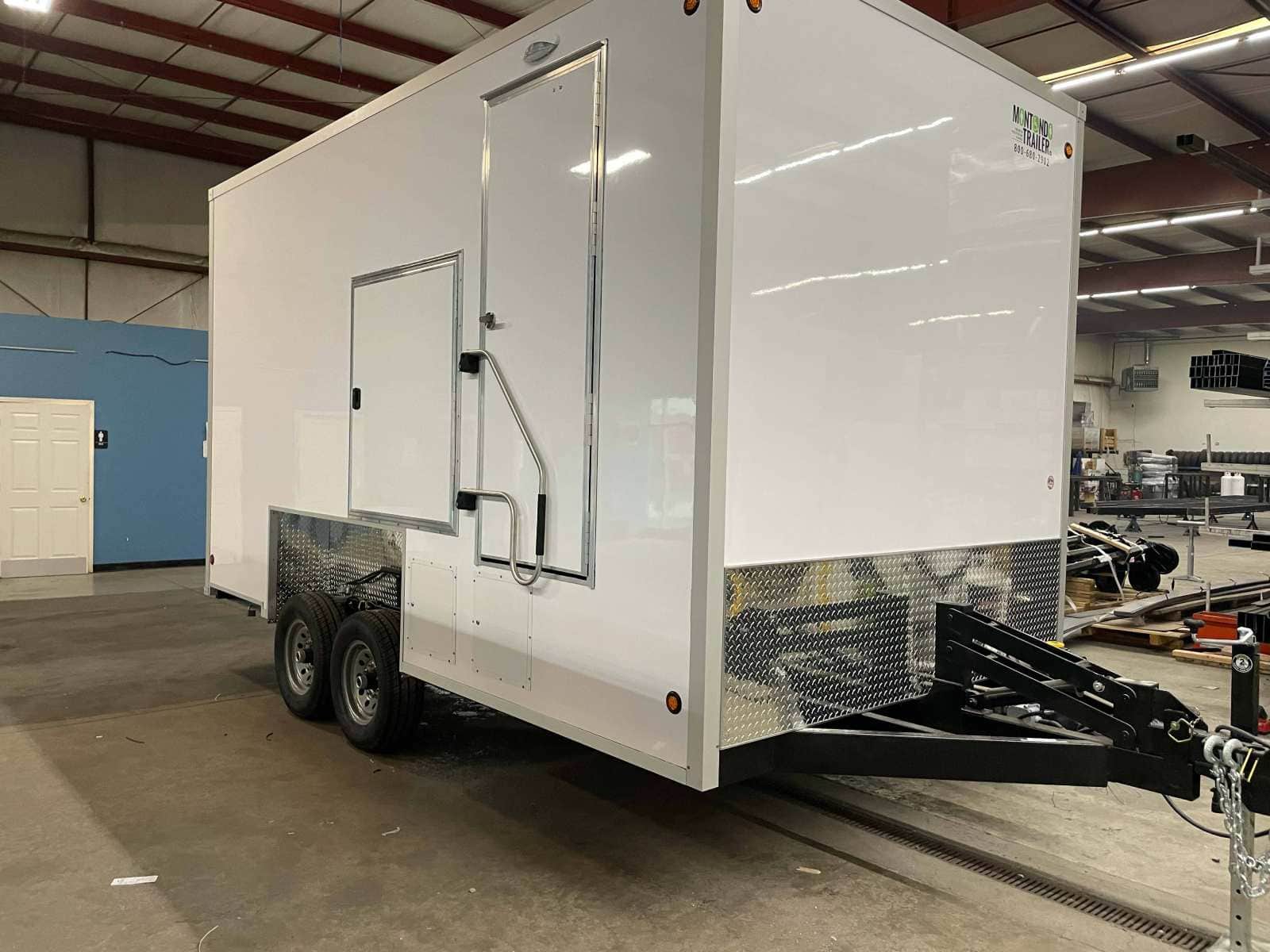
Key Factors Influencing Restroom Trailer Rental Prices for Your Next Event
October 22, 2025
Going Off-Grid: Power & Water Prep for Shower Trailers for Sale
November 4, 2025
Restroom selection affects your attendees’ comfort and safety; when asking “What Are the Key Features to Look for When Renting a Restroom Trailer?” you should assess capacity, sanitation standards, ADA accessibility, and ventilation, check for plumbing or electrical hazards, and confirm reliable service and on-site support to prevent downtime and ensure a positive guest experience.
Key Takeaways:
- What Are the Key Features to Look for When Renting a Restroom Trailer? — Match trailer capacity, ADA accessibility, and layout to guest count and venue traffic.
- Prioritize comfort and amenities such as climate control, hot water, high-quality fixtures, lighting, and privacy elements.
- Confirm logistics and support: delivery/setup, on-site maintenance and cleaning, hookups and waste management, and clear rental terms.
Understanding Restroom Trailers
Definition and Overview
You receive a mobile, self-contained sanitation unit that combines plumbing, ventilation, and finished interiors comparable to those of permanent restrooms; models range from single-stall trailers to multi-room setups with mirrors, running water, and climate control. Ask suppliers about capacity metrics and service intervals to answer What Are the Key Features to Look for When Renting a Restroom Trailer? Portable restroom trailers often require water, power, and waste connections that must be planned for in advance.
Types of Restroom Trailers
Options include basic models with 1–2 stalls for small gatherings, multi-stall trailers for 200–1,000+ guests, luxury units with porcelain fixtures and HVAC, ADA-accessible trailers built to a 60″ turning radius, and specialty trailers for weddings or medical events. Select options based on guest count, event duration, and site accessibility.
- Basic trailers — 1–2 stalls, economical for 50–150 guests.
- Multi-stall trailers — 4–12 stalls, serve 200–1,000+ attendees.
- Luxury trailers — porcelain fixtures, HVAC, upscale finishes.
- ADA-accessible trailers — wheelchair ramps, grab bars, 60″ turning radius.
- Assume that specialty trailers are customized for weddings, film sets, or medical sites.
| Basic | 1–2 stalls, sink, 50–150 guests |
| Multi-stall | 4–12 stalls, mirrors, 200–1,000+ guests |
| Luxury | Porcelain fixtures, HVAC, upscale finishes |
| ADA-accessible | Wide door, ramp, grab bars, accessible sink |
| Specialty | Custom layouts for weddings, medical, and film |
Operational planning should factor capacity: a 4-stall trailer typically handles 200–400 guests over 8 hours if serviced once; a 10-stall unit can comfortably serve 500–1,200 guests with scheduled cleaning every 4–6 hours. Verify water tank sizes (50–300 gallons), waste tank capacity, and power needs—generators or shore power—to prevent downtime and ensure compliance with local health codes.
- Capacity planning — match stalls to guest count and event duration.
- Service schedule — hourly attendants or 4–6 hour cleaning cycles reduce lines.
- Utility requirements — water (gallons), waste tank (gallons), and power (generators/shore).
- Site access — trailer placement, leveling, and truck clearance.
- Assume that local authorities may require permits and inspections.
| Guests Served | Estimate per stall: 50–150 guests per 8 hours |
| Water Tank | Typical range: 50–300 gallons |
| Waste Tank | Typical range: 100–500 gallons |
| Power | 700–5,000 W, depending on HVAC and lighting |
| Service Interval | Attendant hourly or every 4–6 hours for high use |
Benefits of Using Restroom Trailers
You provide guests with higher hygiene standards, greater comfort, and an improved event perception compared to portable toilets. Upscale trailers can increase attendee satisfaction by offering flushing toilets, hot running water, and climate control, which often translates to fewer complaints and better reviews.
Operationally, restroom trailers reduce environmental impact through contained waste systems and can cut queues by 30–70% compared to single portable units when stalls are planned per guest correctly. For outdoor festivals, construction sites, or weddings, selecting trailers with HVAC, ADA access, and appropriate capacity helps you meet ADA, health department, and client expectations while minimizing service interruptions and liability.
Key Features to Look For
- Size and Capacity: Trailer sizes range from compact 2-station units to 10+ station models. Verify station counts, freshwater, and waste-tank capacities against your guest list and event duration.
- Design and Aesthetics: interior finishes, exterior wraps, lighting, and flooring that match your event style. Ask for photos or showroom tours to confirm the quality of the finishes.
- Amenities and Comfort: hot water sinks, vanity lighting, climate control (A/C & heat), baby-changing stations, fragrance systems, and touchless fixtures for higher guest satisfaction.
- Accessibility Features: ADA-compliant stalls with ramps, 32″+ doorways, 60-inch turning radius, lower sinks, and sturdy grab bars for safe access.
- Plumbing & Utilities: onboard hot-water heaters, pump capacities, electrical requirements (30A/50A), and optional generator backup to avoid service interruptions.
- Sanitation & Cleaning: service frequency, attendant availability, supply restocking, ventilation, and anti-slip flooring to reduce odor and slip risks.
- Safety & Compliance: fire extinguishers, adequate internal/external lighting, vendor insurance, required permits, and local-code conformity.
- Delivery, Setup & Support: access, leveling, setup time, site prep needs, contingency plans for weather, and a 24/7 contact for emergencies.
Size and Capacity
You can choose trailers ranging from 2 stations to 10+ stations; plan roughly 1 station per 75–100 guests for a standard 4-hour event, increasing for multi-day festivals. Confirm water tank size and waste capacity—smaller 2–4 station units often need service after 200–400 uses, while larger units handle more. Verify site access so your chosen unit fits and can be leveled correctly.
Design and Aesthetics
Match trailer finishes to your event: hardwood-look flooring, granite countertops, neutral cabinetry, and dimmable vanity lighting create a premium feel. Request photos or a model walkthrough to ensure the exterior and interior complement your venue and branding.
Opt for features like full-length mirrors, warm LED lighting, and non-porous surfaces for easy cleaning. Suppliers often offer custom exterior wraps or wooden skirting to blend in with wedding venues or corporate events. A 6-station unit with upscale finishes raises perceived value and guest comfort, which can directly affect feedback scores and social shares.
Amenities and Comfort
Prioritize hot-water sinks, climate control, touchless faucets, and quality paper products; these elements drive guest satisfaction. Check for baby-changing stations, adequate mirror/vanity space, and onboard fragrance or ventilation systems to reduce odors.
Look for hot-water heater specifications and reported usage per fill if your event exceeds 4 hours; some units include dual heaters or recirculating systems that support continuous handwashing. Climate-controlled trailers maintain comfort in extremes—A/C capacity (BTUs) and insulation ratings are crucial for both summer and winter events.
Accessibility Features
Confirm ADA-compliant options with a 60-inch turning radius, ramp access, 32″+ doorways, grab bars, and lowered sinks; these specifications ensure legal compliance and comfortable use for guests with mobility needs. Ask for certification or photos when booking.
Evaluate ramp slope, threshold design, and non-slip surfacing; some sites require temporary ramps or additional leveling pads. Verify that routes from parking/drop-off points to the trailer are smooth, well-lit, and free of obstacles to prevent trip hazards and ensure seamless access.
Whenever you evaluate vendors, use this checklist and the keyword ‘What Are the Key Features to Look for When Renting a Restroom Trailer?’ to guide your final selection.
Sanitation and Maintenance
Cleaning and Disinfection Protocols
Follow an EPA List N-approved disinfectant schedule: wipe high-touch surfaces every 2 hours at events with over 300 guests, and perform a full deep clean with antimicrobial agents nightly. Use color-coded microfiber cloths, HEPA-filtered vacuums for vents, and provide hand sanitizer stations rated at 60% alcohol or higher. To answer What Are the Key Features to Look for When Renting a Restroom Trailer? You should demand documented logs showing frequency, products used, and MSDS sheets.
Waste Management Procedures
You can expect sealed holding tanks with lockable dump valves, non-formaldehyde treatments, and a scheduled pump-out plan. Vendors often recommend pump-outs every 8–24 hours for events with 200–1,000 attendees. Request the supplier to provide hauling manifests and proof of a licensed disposal chain to prevent fines and environmental hazards.
You’ll find trailers with holding tanks ranging from approximately 500 to 1,500 gallons; for example, a 1,000-gallon tank often covers a medium-sized wedding but can fill up within a day under heavy use. Verify that the vendor provides odor control (vent filters or ozone units), contingency backup tanks, or on-site vacuum trucks, and clear procedures for spill response to prevent sanitary code violations.
Water Supply and Drainage Systems
Look for on-board freshwater tanks (commonly 200–600 gallons), hot-water heaters with a 20–40 gallon capacity, and pumps delivering 2–5 GPM per fixture. Confirm whether your site requires a municipal sewer hookup or if the trailer utilizes self-contained gray/black water systems, and ensure that backflow prevention devices and pressure regulators are installed and certified.
Ensure your site has a hard, level pad and a proper sewer connection—minimum 4-inch diameter hose or a dedicated sanitary hookup with adequate slope. Have the vendor provide installation diagrams, backflow test results, and secondary containment plans, as inadequate drainage can cause sewage backups and permit delays. Arrange for quick pump-out options for multi-day or high-attendance events.
Location and Setup
Space Requirements
Standard restroom trailers range from 12 to 40 feet; a 12–16 ft unit fits in a single parking space, while a 28–40 ft trailer needs at least a 35 ft long by 12 ft wide staging area. You should allow 5–10 ft clearance around the unit for ramps, service access, and ADA access. Checking size early answers part of “What Are the Key Features to Look for When Renting a Restroom Trailer?” and prevents last‑minute site changes.
Power Source and Electrical Needs
Small 2–3 stall units typically run on a single 30A/120V (≈approximately 3.6 kW) circuit; larger 6+ stall trailers with HVAC, hot water, and lighting often require 50A/240V (≈approximately 12 kW) service or a 10–15 kW generator. You must confirm available on-site amperage and plan for peak draws to avoid tripped breakers or equipment shutdowns.
Generator placement and cabling matter: use proper gauge cords (10/3 for 30A, 6/3 for 50A) and keep runs under recommended lengths to limit voltage drop—ideally <100 ft. Require GFCI protection and have a licensed electrician verify hookups; mislabeled circuits or undersized wiring are common causes of outages and fire risk.
Accessibility for Delivery and Pickup
Delivery vehicles need a clear approach at least 12 ft wide and 13.5 ft high, with a turning radius free of tight corners—expect delivery trucks to need 40–60 ft of maneuvering space. Hard, level surfaces are preferred; soft ground may require stabilizing mats or plywood to prevent sinking during delivery and setup.
Coordinate permits, timed delivery windows, and an on-site contact to avoid delays. Many vendors require a 15–30 minute window and pre-marked placement. Mark underground utilities, remove low branches, and note gated access dimensions—tight turns, low lines, or narrow gates are frequent causes of failed deliveries. They may result in extra crane or labor charges.
Rental Agreements and Pricing
Understanding Rental Terms
You will see clauses for minimum rental periods (often 4–24 hours), delivery/pickup windows, and a deposit typically ranging from $200 to $1,000. Liability insurance and damage responsibility are often assigned to you, and cancellations within 7–14 days can result in fees of 25–50%. Perceiving how the contract defines “setup” versus “rental day” prevents billing disputes and helps you schedule accurate delivery and pickup times.
- Rental period
- Deposit
- Insurance
- Cancellation policy
- Permit responsibility
- What Are the Key Features to Look for When Renting a Restroom Trailer?
Pricing Factors and Cost Breakdown
Expect base rates from about $300 for a small single-unit to $2,500+ per day for large luxury trailers; common add-ons include delivery fees ($50–$300), setup charges ($50–$150), attendant labor ($20–$40/hour), generator rental ($50–$150/day) and cleaning fees ($50–$200). Perceiving each line item on the quote lets you compare true apples-to-apples costs across vendors.
A realistic example: a 12-station trailer might list base rate $1,200/day, delivery $150 round trip within 30 miles, setup $75, attendant 8 hours at $30/hr = $240, cleaning $75 and fuel $40, totaling about $1,780 for one day; multi-day discounts often reduce the per-day rate by 10–25%. Understanding how distance, staffing levels, permit requirements, and event duration affect costs will help you negotiate a clearer flat fee or a capped overage.
- Base rate
- Delivery
- Setup fee
- Attendant labor
- Generator/fuel
Hidden Fees to Watch For
You may incur overtime charges ($25–$75/hr), excessive cleaning surcharges ($100+), holiday fees (a 20–50% premium), long-distance per-mile charges, or accessibility surcharges if your site requires extra equipment or labor. Small discrepancies on the invoice often add 10–20% to the quoted total.
One festival example: a 3-hour event overrun generated $225 in overtime, plus a $150 post-event cleaning surcharge for paint on walls. Another outdoor wedding paid $120 for a steep driveway maneuver fee because the site lacked clear access. Specify caps on overtime and require written estimates for any nonstandard work orders to avoid surprise invoices.
Customer Support and Service
Importance of Reliable Customer Service
When assessing What Are the Key Features to Look for When Renting a Restroom Trailer?, prioritize providers that guarantee clear SLAs and 24/7 contact channels. You can expect phone, text, and email support, along with documented response times (e.g., 30 minutes for phone triage), and a single point of contact for coordination. Vendors with positive case studies — like restoring service for a 2,000-guest wedding within an hour — demonstrate the operational reliability you need.
Emergency Support During Events
Plan for on-call technicians and declared emergency procedures: ask whether the supplier carries a backup trailer, emergency parts kits, and a prioritized dispatch list. Expect providers to outline their after-hours fees, coverage radius, and guaranteed on-site arrival windows, so you can quickly mitigate sanitation risks.
Providers typically publish real-world metrics: local companies often promise on-site response within 1–2 hours within a 50-mile radius, while national fleets may offer replacement units within 4 hours in urban areas. Request documented incident logs or references that show resolution times for sewage backups, generator failures, or plumbing clogs. Verify whether the vendor maintains spare pumps, secondary waste tanks, and a trained crew capable of isolating hazards to prevent contamination. These capabilities reduce downtime and protect guest safety.
Equipment Maintenance and Troubleshooting
Expect routine maintenance plans that include daily cleaning, fresh water, and sanitizer checks, as well as preventive inspections by certified technicians. You should receive a maintenance checklist, log sheets for multi-day events, and straightforward troubleshooting guides for common issues, such as clogged lines or heater faults.
Standard maintenance schedules often specify technician visits every 24 hours for multi-day festivals, along with an inventory of spare parts, including seals, hoses, and replacement pumps. Troubleshooting protocols should outline immediate steps, including isolating the affected stall, switching to the backup pump, and implementing odor control with enzyme treatments. Ask the vendor for training so your on-site staff can perform first-line fixes. Documented procedures and a stocked parts kit can cut the average repair time from hours to under 30 minutes in many routine cases.
To wrap up
Presently, you should weigh factors like trailer size, ADA compliance, climate control, plumbing capacity, sanitation amenities, and supplier reliability; ask “What Are the Key Features to Look for When Renting a Restroom Trailer?” to guide selections so your guests stay comfortable, service runs smoothly, and liability is minimized. Prioritize maintenance plans, delivery setup, and clear contracts to ensure seamless operation.
FAQ
Q: What Are the Key Features to Look for When Renting a Restroom Trailer?
A: When evaluating restroom trailers, check capacity (number of stalls/fixtures), ADA accessibility, plumbing (fresh water tank, gray tank capacity, hot water system), power needs (120V/240V and generator compatibility), climate control, interior finishes (nonporous surfaces, vanity/sink configuration), ventilation, lighting, and on-site servicing options (pump-outs, restocking). Also review delivery/setup requirements, pickup timing, vendor insurance, and contract terms to ensure the unit fits the event schedule and site conditions.
Q: How do I determine the right capacity and layout for my event?
A: Estimate guest peak usage and event duration. For shorter events (2–4 hours), plan roughly one fixture per 40–60 guests; for full-day or evening events, aim for one fixture per 30–40 guests. Factor in guest mix (more women increase demand), food/drink service, and the presence of alcohol. Select a trailer that features a suitable combination of private stalls and urinals, with optional separate gender or unisex sections, and include at least one ADA-accessible stall. Confirm trailer flow and queuing space to avoid bottlenecks.
Q: What plumbing, power, and site-preparation details should I confirm before booking?
A: Confirm available hookups: fresh water supply (hose connection) or adequate fresh-water tank size, gray/waste tank capacity, and scheduled pump-out frequency. Verify power requirements—many trailers need 120V/15–30A circuits; larger units or HVAC may require 240V or a generator. Inspect the site terrain to ensure a flat, load-bearing surface for trailer parking and use leveling blocks as needed. Confirm access for the delivery truck, necessary permits, and whether the vendor provides hoses, cords, ramps, and leveling equipment.
Q: Which amenities and interior features improve guest comfort and hygiene?
A: Look for hot water sinks, soap dispensers, paper towel or hand-dryer options, full-height partitions, non-slip flooring, adequate lighting, mirrors, and coat hooks. Climate control (heating and air conditioning) matters for extreme temperatures. High-end finishes (solid-surface countertops, porcelain fixtures) are more durable and easier to clean. Consider using touchless fixtures for enhanced hygiene and stocking consumables or hiring attendant services to maintain cleanliness during the event.
Q: What contract, service, and safety items should be included in the rental agreement?
A: Ensure the contract specifies delivery/pickup windows, setup and breakdown responsibilities, including pump-outs and restocking frequency, extra-fee triggers (late pickup, damages), cancellation and rescheduling policies, and total costs including permits and site-access fees. Verify the vendor’s insurance, liability coverage, and emergency contact information for on-site failures. Confirm cleaning standards, attendant availability (if needed), and that the unit meets local health and ADA codes.

Jack Montondo founded Montondo Trailer in 2014. Jack has worked hard to make his business a success, paving the way to making it a multi-million dollar. Montondo Trailers is a premier design and manufacturing leader in Custom Trailers. Here at Montondo Trailer, we have become an industry-leading manufacturer of Custom Trailers. Through the efforts of our expert team of engineers, designers, and sales personnel, we are here to ensure that our clients come out with a trailer that they could only dream of. We are constantly innovating and developing new ways to ensure our trailers are the best on the market. We firmly believe our dedication to quality sets us apart from our competition.


